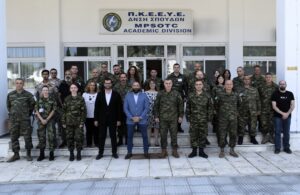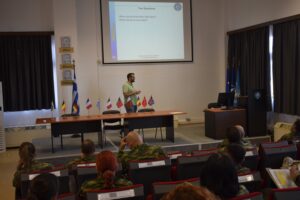
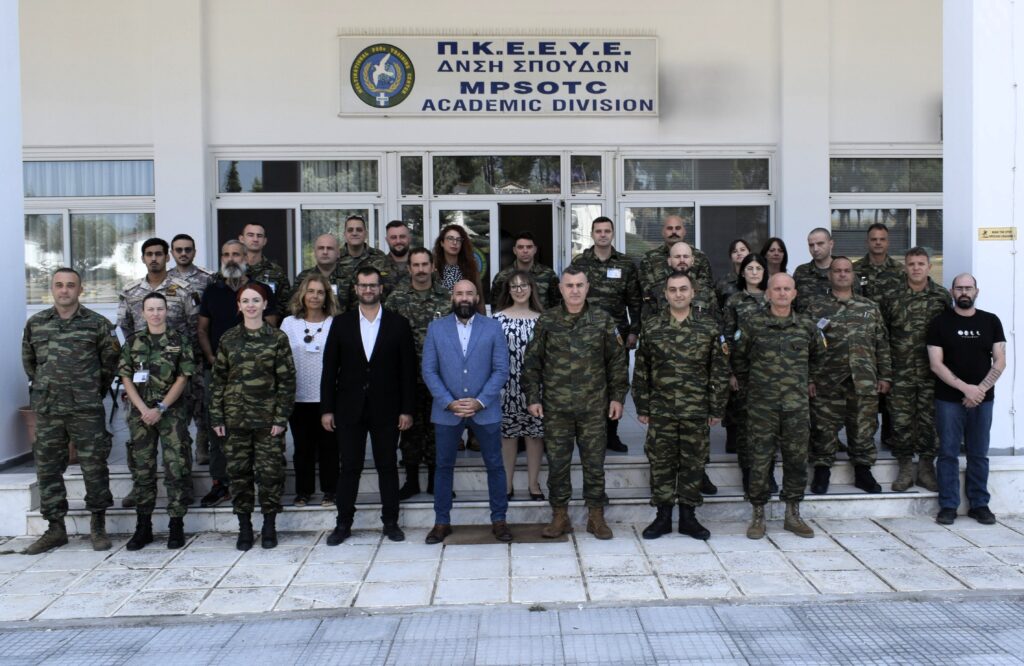
From 07 to 11 September 2026, the MPSOTC conducted the “Cultural Property Protection” Course, with the participation of 29 trainees from 5 countries.
The primary aim of the Course was to provide specialized knowledge and enhance participants’ awareness of the importance of protecting cultural property, both in peacetime and during armed conflicts and other crisis situations.
Within the framework of the Course, key issues related to the protection of cultural property during armed conflict were examined, including the role of stabilization operations in safeguarding cultural heritage, as well as contemporary methods and strategies for preventing and countering the illicit trafficking of cultural property.
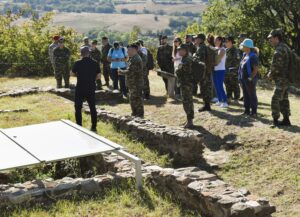
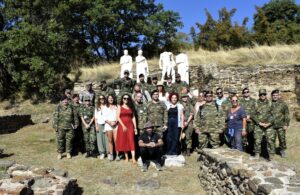
The theoretical component of the Course was complemented by educational visits to archaeological sites, providing participants with the opportunity to further develop their understanding of the practical application of the knowledge acquired and to gain greater insight into the particular challenges associated with the protection and preservation of cultural heritage.
Course was further enriched by the participation of distinguished experts and instructors from international organizations, institutions and national authorities, including UNESCO, the Cultural Heritage Protection Unit of the French Armed Forces, the European External Action Service (EEAS), INTERPOL, Blue Shield International and the United Nations Office on Drugs and Crime (UNODC), as well as representatives of the Hellenic Ministry of Culture, the Hellenic Ministry of Foreign Affairs and the Ephorate of Antiquities of Kilkis. Their specialized knowledge and extensive professional experience contributed substantially to the comprehensive examination of the subject matter and to the successful achievement of the Course’s training objectives.
Through the conduct of this Course, MPSOTC reaffirms its active role in promoting international cooperation and strengthening operational and institutional capacities for the protection of cultural heritage. At the same time, the Course highlights the importance of safeguarding cultural property as an integral element of the historical identity and collective memory of nations, for the benefit of future generations.